
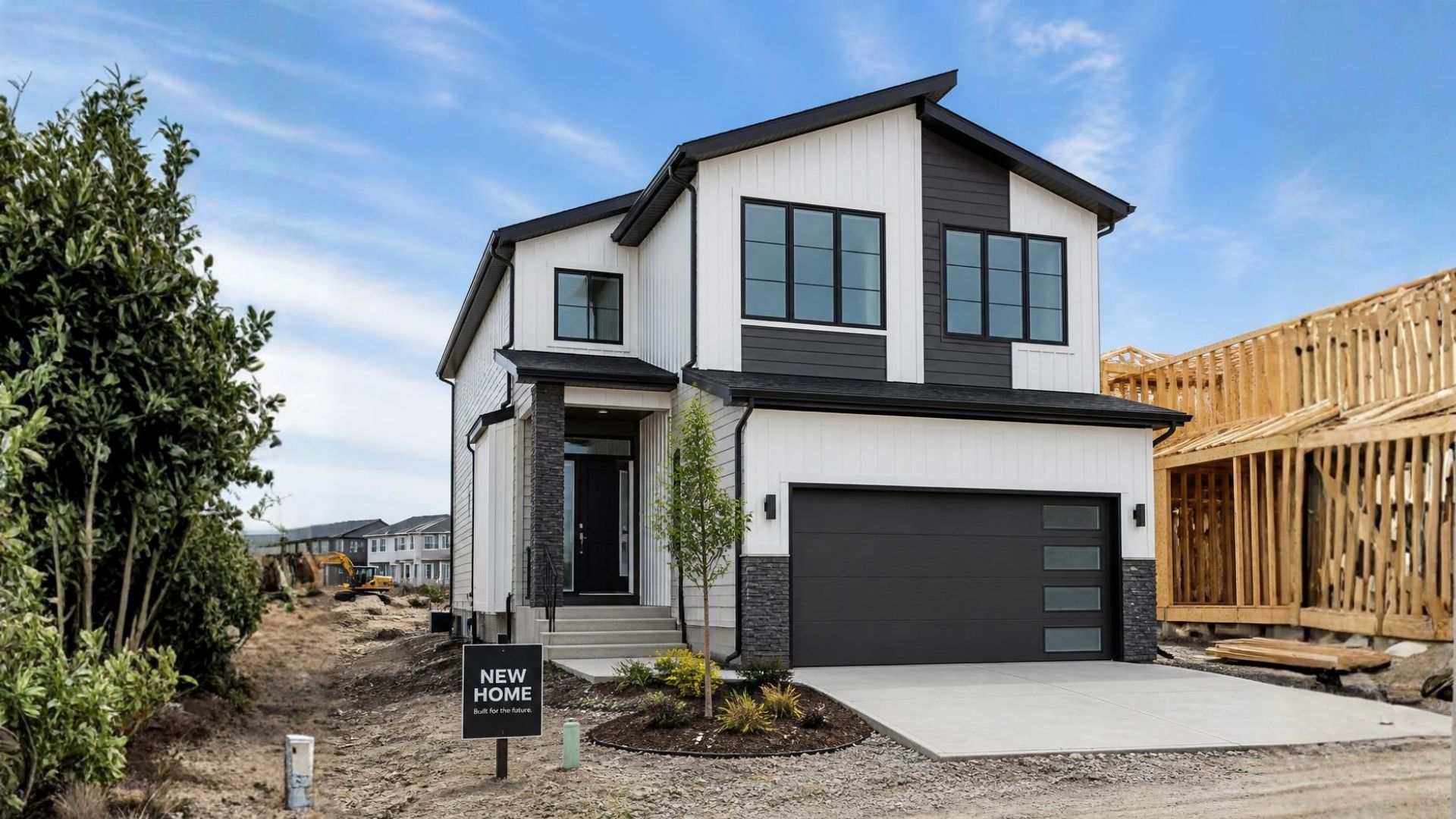
Purchasing a New Build Home in Alberta: What Buyers Should Know
Purchasing a newly built home can be exciting, particularly for first-time buyers entering the market. At the same time, new build transactions often operate very differently than standard resale purchases, and many buyers are surprised by how different the process, timelines, inspections, and warranty issues can be.
Builder agreements are typically customized contracts drafted specifically for the builder and development. As a result, buyers should avoid assuming that timelines, remedies, holdbacks, or expectations commonly seen in standard resale transactions will automatically apply in a new construction purchase.
If you are buying a newly built home, it can be helpful to speak with a Calgary residential real estate lawyer early in the process so you understand the contract, timelines, and closing expectations before issues arise.
Possession Dates Are Often Estimates, Not Guarantees
One of the biggest surprises for buyers is learning that possession dates in builder agreements are frequently estimated rather than guaranteed.
Construction delays, permit issues, labour shortages, weather conditions, supply chain disruptions, municipal approvals, and other unforeseen circumstances can all affect completion timelines. Many builder agreements contain provisions permitting extensions of possession dates in certain situations.
For buyers, this often means maintaining flexibility when planning:
- moving arrangements;
- mortgage rate holds;
- notice to landlords;
- renovations;
- school or childcare arrangements; or
- possession dates relating to an existing property.
Where possible, buyers should review extension provisions carefully and discuss timing expectations early in the process.

Builder Agreements Can Be Very Different From Standard Residential Contracts
Many buyers are accustomed to standard resale contracts and are surprised by how different builder agreements can be.
Builder contracts commonly contain provisions dealing with:
- delayed possession;
- substitutions of materials or finishes;
- seasonal completion items;
- grading and landscaping obligations;
- deficiency procedures;
- limitation of remedies; and
- strict notice requirements.
Showhomes, marketing materials, and verbal discussions with sales staff may also differ from the final legal agreement signed by the parties. Having the agreement reviewed as part of a residential purchase transaction can help buyers better understand what they are actually agreeing to.
Pre-Possession Inspections Are Important, But They Are Not Perfection Guarantees
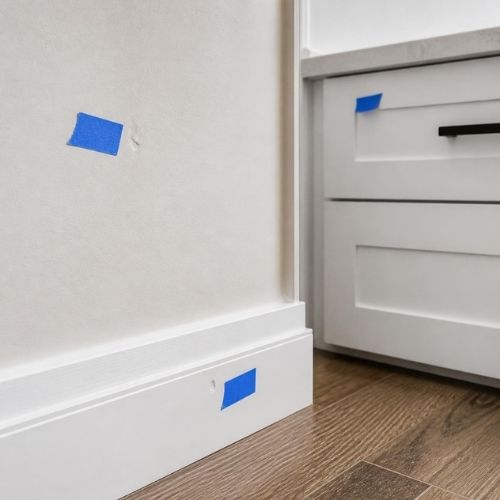
Most builders will complete a pre-possession inspection (PDI) prior to closing. This gives buyers an opportunity to identify visible deficiencies or incomplete items before taking possession of the property.
That said, buyers are often surprised to learn that:
- not every item identified during a PDI will necessarily be completed before possession;
- some deficiencies may require post-possession follow-up;
- certain cosmetic concerns may not qualify as warranty claims; and
- newly constructed homes commonly require adjustments after occupancy.
A newly built home is still a construction project nearing completion, and practical resolution of deficiencies often continues after possession. In many cases, maintaining realistic expectations and open communication throughout the process can significantly reduce closing-day stress.
Helpful tip: A pre-possession inspection is an important step, but it does not necessarily mean every deficiency will be resolved before closing. Buyers should be prepared for some follow-up after possession.
Understanding Alberta New Home Warranty Coverage
Most newly built homes in Alberta are required to have warranty coverage under Alberta’s New Home Buyer Protection Act. The legislation establishes minimum mandatory coverage periods for certain categories of defects and components.
Generally speaking, mandatory coverage commonly includes:
- one year for labour and materials;
- two years for delivery and distribution systems;
- five years for building envelope coverage; and
- ten years for structural defects.
However, warranty coverage is not unlimited, and not every concern or deficiency will necessarily fall within warranty protection. Coverage may depend on the nature of the issue, the applicable warranty terms, maintenance obligations, exclusions, and surrounding circumstances.
For example, buyers are often surprised to learn that certain cosmetic concerns, landscaping matters, grading issues, seasonal conditions, maintenance items, wear and tear, or homeowner-caused damage may not necessarily be covered.
Buyers should carefully review their warranty documentation and raise questions early if they are uncertain regarding coverage or reporting requirements.
Seasonal and Exterior Work Is Frequently Completed Later
Depending on the time of year, certain exterior work may not be completed before possession. Landscaping, grading, fencing, concrete work, seasonal touch-ups, and exterior finishing are commonly delayed until weather and site conditions permit completion.
This is a very common aspect of new build transactions and is often specifically addressed within the builder agreement itself.
Buyers in developing communities should also expect that surrounding construction may continue after occupancy, including neighbouring construction activity, road work, temporary fencing, dust, noise, and incomplete adjacent lots.
Deficiencies and Holdbacks Can Be More Complicated Than Buyers Expect
Another common misunderstanding involves holdbacks. Buyers are sometimes surprised to learn that identifying deficiencies during a pre-possession inspection does not automatically entitle them to delay closing or withhold funds from the builder. Builder agreements can also specifically set out whether holdbacks of any kind will be agreed to or not.
Builder agreements, lender requirements, occupancy considerations, and closing mechanics can all affect how deficiencies are addressed leading up to possession. In many situations, practical solutions, warranty processes, and post-possession follow-up are used to keep transactions moving toward closing while outstanding items continue to be addressed.
Why Early Legal Review Matters
Many builder agreements become binding very quickly and may contain provisions buyers do not fully appreciate until much later in the process.
Early legal review can help buyers better understand:
- extension and delay provisions;
- deficiency procedures;
- holdback limitations;
- grading and landscaping obligations;
- upgrade terms;
- warranty processes; and
- builder remedies and limitation clauses.
In many situations, identifying concerns early is significantly easier than attempting to address them shortly before closing. One of the best ways to reduce stress during a new build transaction is ensuring buyers understand the process and expectations from the beginning.
If you are purchasing a newly built home and would like your builder agreement reviewed, or have questions regarding the closing process, contact West Legal. You can also learn more about the firm’s Calgary residential real estate services.
Disclaimer
This article focuses specifically on newly built detached and freehold homes. Condominium new build purchases often involve additional considerations beyond the scope of this article, including condominium documents, common property issues, phased developments, interim occupancy arrangements, and condo governance matters.
This article is intended for general informational purposes only and does not constitute legal advice. Builder agreements, warranty coverage, and transaction terms can vary significantly depending on the project, builder, warranty provider, and specific circumstances involved. Readers should obtain legal advice specific to their purchase and should not rely solely on the information contained in this article.


About Post Author
